

Dec
Employer Liability in Indonesia: Workplace Safety and Accident Reporting (SMK3)

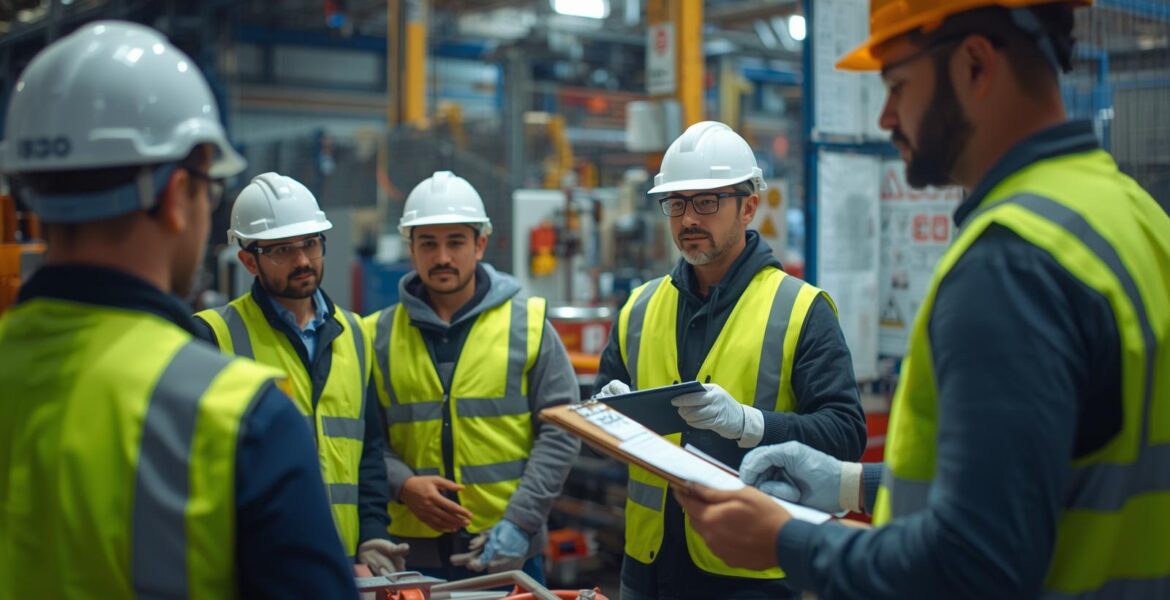
Workplace safety is not merely a compliance matter—it is a cornerstone of responsible business practice. In Indonesia, ensuring a safe and healthy work environment is not optional; it’s a legal and moral duty. Employers must implement the Occupational Safety and Health Management System (SMK3), a structured program that prevents accidents, promotes employee well-being, and upholds legal compliance.
Understanding Employer Liability and SMK3
SMK3 applies to all companies with more than 100 workers or those operating in high-risk sectors. It covers hazard identification, risk assessments, training, supervision, and emergency response plans. Employers are legally responsible for accidents that occur due to negligence, lack of supervision, or insufficient safety equipment. Failure to comply may lead to administrative sanctions, criminal prosecution, or civil compensation claims.
Legal Framework in Indonesia
Key regulations governing workplace safety include Law No. 1 of 1970 on Occupational Safety, Law No. 13 of 2003 on Manpower, and Government Regulation No. 50 of 2012 on the Implementation of SMK3. Employers must also report workplace accidents through BPJS Ketenagakerjaan, Indonesia’s social security agency, which provides compensation and medical benefits to affected employees. Neglecting or delaying such reports can result in penalties and reputational harm.
Real Case in Indonesia
In 2021, a manufacturing plant in West Java faced legal sanctions after a fatal accident involving untrained subcontractors. Investigations revealed that the company had not conducted regular SMK3 audits and lacked safety documentation. Authorities imposed fines and required a full restructuring of its safety management system—highlighting that compliance must be preventive, not reactive.
Best Practices for Foreign Employers
Foreign employers operating in Indonesia should align their global standards with the SMK3 framework. Appointing a certified K3 Officer, maintaining up-to-date documentation, conducting regular training, and integrating accident reporting with BPJS Ketenagakerjaan are essential. Continuous audits and transparent communication with employees build both compliance and trust.
Conclusion
In Indonesia, ensuring workplace safety is not just about following the law—it’s about protecting people. A strong SMK3 culture fosters productivity, minimizes risks, and demonstrates a company’s genuine commitment to ethical and sustainable operations.
References:
- Law No. 1 of 1970 on Occupational Safety
- Law No. 13 of 2003 on Manpower
- Government Regulation No. 50 of 2012 on SMK3 Implementation




Leave A Comment